

Oilheat Facts
Thirty-one states have crude oil reserves, and the U.S. ranks third among top oil producers. Our reserves are concentrated overwhelmingly (over 80 percent) in four states: Texas, Louisiana, Alaska, and California.
Search Our Site
Oilheat Facts
Thirty-one states have crude oil reserves, and the U.S. ranks third among top oil producers. Our reserves are concentrated overwhelmingly (over 80 percent) in four states: Texas, Louisiana, Alaska, and California.
Oilheat Facts
Oilheat Facts
Thirty-one states have crude oil reserves, and the U.S. ranks third among top oil producers. Our reserves are concentrated overwhelmingly (over 80 percent) in four states: Texas, Louisiana, Alaska, and California.
Thirty-one states have crude oil reserves, and the U.S. ranks third among top oil producers. Our reserves are concentrated overwhelmingly (over 80 percent) in four states: Texas, Louisiana, Alaska, and California.
Thirty-one states have crude oil reserves, and the U.S. ranks third among top oil producers. Our reserves are concentrated overwhelmingly (over 80 percent) in four states: Texas, Louisiana, Alaska, and California.
 Home Knowledge Base Equipment Upgrading Your System
Upgrading Your System
A new Oilheat system adds energy savings, value and comfort to your home.
Determining Age and Life Expectancies of Your Heating System
As you know, it can be difficult to determine equipment age, especially if you're dealing with a furnace or boiler that's a real old-timer. One way to determine a system's age is by checking the serial number; the date of manufacture is sometimes "hidden" within the serial number. Look for labels and tags too. The date of manufacture may be on a label, and it's possible that the installer tagged the system with the date of installation. As far as longevity is concerned, oil-fired boilers and furnaces can last for decades, unlike many home appliances that typically wear out in only a few years. The life span of heating equipment also depends on the quality of the maintenance and service it has received. Systems that receive necessary service and annual tune-ups will last longer than those that do not.
Consider an Equipment Upgrade as a Home Improvement with Energy Savings
Many homeowners make home improvements simply because what they need to fix is old. However, thousands of Americans are heating their homes with old heating equipment and doing nothing about it.
According to estimates by heating equipment manufacturer R.W. Beckett, there are a total of 3.3 million burners in the field over 20 years old, or about 35 percent of the installed base.
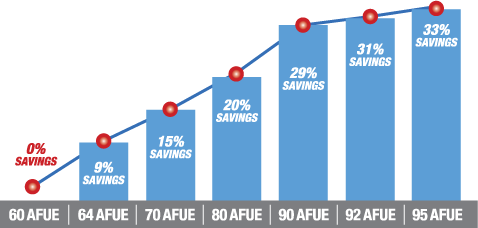
Replacing an old inefficient system with a modern Oilheat system can reduce heating bills by approximately 40 percent. At a minimum, the conventional burner could be replaced with a new flame retention head burner, saving the homeowner as much as 15 percent on annual fuel bills.
There are more benefits heating equipment upgrades yield:
- A cleaner, more efficient and reliable system
- Greater comfort and safety
- Fewer service calls
- Environmental friendliness
- Increased property value
Upgrading Your System
A new Oilheat system adds energy savings, value and comfort to your home.
Determining Age and Life Expectancies of Your Heating System
As you know, it can be difficult to determine equipment age, especially if you're dealing with a furnace or boiler that's a real old-timer. One way to determine a system's age is by checking the serial number; the date of manufacture is sometimes "hidden" within the serial number. Look for labels and tags too. The date of manufacture may be on a label, and it's possible that the installer tagged the system with the date of installation. As far as longevity is concerned, oil-fired boilers and furnaces can last for decades, unlike many home appliances that typically wear out in only a few years. The life span of heating equipment also depends on the quality of the maintenance and service it has received. Systems that receive necessary service and annual tune-ups will last longer than those that do not.
Consider an Equipment Upgrade as a Home Improvement with Energy Savings
Many homeowners make home improvements simply because what they need to fix is old. However, thousands of Americans are heating their homes with old heating equipment and doing nothing about it.
According to estimates by heating equipment manufacturer R.W. Beckett, there are a total of 3.3 million burners in the field over 20 years old, or about 35 percent of the installed base.
Replacing an old inefficient system with a modern Oilheat system can reduce heating bills by approximately 40 percent. At a minimum, the conventional burner could be replaced with a new flame retention head burner, saving the homeowner as much as 15 percent on annual fuel bills.
There are more benefits heating equipment upgrades yield:
- A cleaner, more efficient and reliable system
- Greater comfort and safety
- Fewer service calls
- Environmental friendliness
- Increased property value